


Author Archives: Nathan Lyle

The far-reaching effects of genetic process in a keystone predator species, grey wolves
August 31, 2023
Although detrimental genetic processes are known to adversely affect the viability of populations, little is known about how detrimental genetic processes in a keystone species can affect the functioning of ecosystems. Here, we assessed how changes in the genetic characteristics … read more

Human‐caused wolf mortality persists for years after discontinuation of hunting
July 28, 2023
By the mid-twentieth century, wolves were nearly extinct in the lower 48 states, with a small number surviving in northern Minnesota. After wolves were placed on the endangered species list in 1973, the northern Minnesota wolf population increased and stabilized … read more
Posted in Hunting Wolves, Resources

The Fur-Bearers Wolf Survey – 2023
July 28, 2023
Seven-in-ten Canadians (70%) describe their overall attitude towards wolves as “very positive” (29%) or “moderately positive” (41%)
Posted in Human Dimensions, Resources
War on Wolves
July 28, 2023
Please contact your Federal legislators, both in the House and Senate and ask they oppose all of these poison pill riders – Demand a “clean” Appropriations Bill.
Posted in Take Action

Video observations of wolves hunting ungulates on linear features
June 30, 2023
Anthropogenic linear features allow wolves to travel faster and more efficiently, which is thought to increase wolf hunting efficiency of ungulates. Most previous studies have evaluated the role of linear features in wolf-ungulate dynamics by relying on indirect observations (e.g., … read more
Posted in Biology, Resources | Tagged anthropogenic, behavior, Canis lupus, Deer fawns, Linear feature, predation, white-tailed deer
The ethology of wolves foraging on freshwater fish in a boreal ecosystem
June 3, 2023
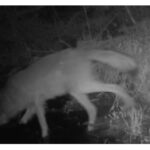
Through global positioning system (GPS) collar locations, remote cameras, field observations and the first wild wolf to be GPScollared with a camera collar, we describe when, where and how wolves fish in a freshwater ecosystem. From 2017 to 2021, we … read more
Posted in Biology, Resources | Tagged ambush hunting, boreal forest, Canis lupus, fish spawning, predator prey relations, wolf predation

