


Author Archives: Nathan Lyle

Large Predators, Deer, And Trophic Cascades In Boreal And Temperate Ecosystems
July 6, 2019
Historically, humans have modified many boreal and temperate ecosystems by decimating native animal populations and often substituting domesticated stock, thereby influencing food webs and simplifying interactions among species. Large predators, especially, have been subject to worldwide persecution. The profound ecological … read more
Posted in Trophic Cascade | Tagged boreal, cascades, ecosystems, large, predators, temperate, trophic

Wolves Facilitate the Recovery of Browse-Sensitive Understory Herbs in Wisconsin Forests
July 6, 2019
We asked whether wolf re-colonization would facilitate increased growth and reproduction of three browse-sensitive plant species. We hypothesized plant size and the proportion of reproductive individuals would be lowest in areas with no wolves, intermediate where wolves had been present … read more
Posted in Trophic Cascade | Tagged browse, facilitate, herbs, recovery, sensitive, understory, wolves
Recolonizing Wolves Trigger a Trophic Cascade in Wisconsin
July 5, 2019
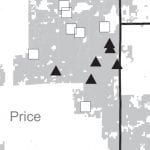
We tested the hypothesis that wolves are reducing local browse intensity by white-tailed deer, thus indirectly mitigating the biotic impoverishment of understorey plant communities in northern Wisconsin. To assess the potential for such a top-down trophic cascade response, we developed … read more
Posted in Trophic Cascade | Tagged cascade, recolonizing, trigger, trophic, wisconsin, wolves

Long-Term Regional Shifts in Plant Community Composition Are Largely Explained by Local Deer Impact Experiments
July 5, 2019
The fact that herbivores and predators exert top-down effects to alter community composition and dynamics at lower trophic levels is no longer controversial, yet we still lack evidence of the full nature, extent, and longer-term effects of these impacts. Here, … read more
Posted in Trophic Cascade | Tagged community, composition, explained, largely, plant, regional, shifts

Is Science in Danger of Sanctifying the Wolf?
July 5, 2019
Historically the wolf (Canis lupus) was hated and extirpated from most of the contiguous United States. The federal Endangered Species Act fostered wolf protection and reintroduction which improved the species’ image. Wolf populations reached biological recovery in the Northern Rocky … read more
Posted in Trophic Cascade | Tagged danger, sanctifying, science

Wolves, Deer, Maples and Wildflowers
July 5, 2019
Herbivores can be major drivers of environmental change, altering plant community structure and changing biodiversity through the amount and species of plants consumed. If natural predators can reduce herbivore numbers and/or alter herbivore foraging behavior, then predators may reduce herbivory … read more
Posted in Trophic Cascade | Tagged maples, wildflowers, wolves

